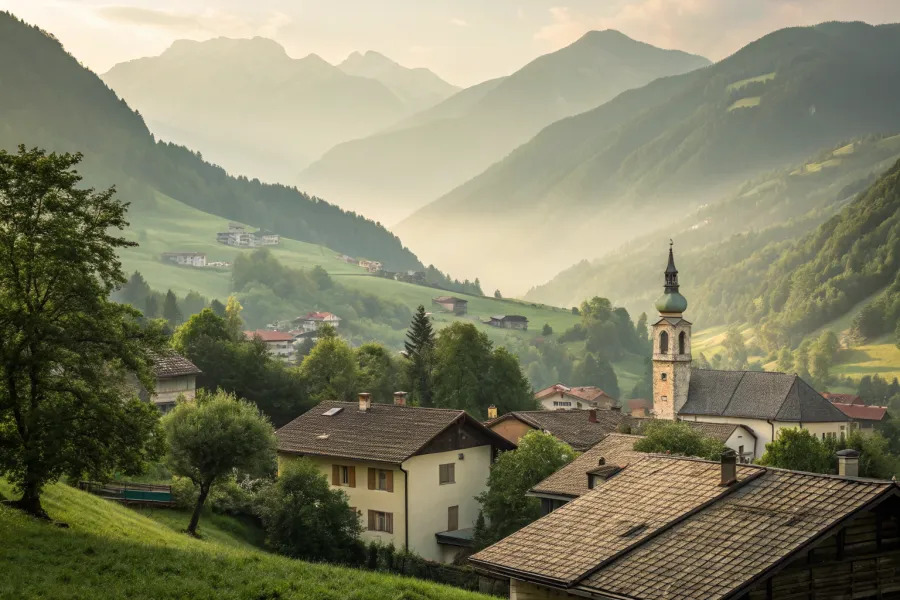
The Alps are international by nature. In a single season a Morzine business serves French locals, British skiers, Belgian families, Spanish summer hikers and German second-home owners. Yet most local websites speak only one language — usually English — and quietly lose everyone else at the first paragraph.
A multilingual site is not a translation afterthought. It is a better experience and a wider net for search.
Why it lifts the experience
People trust, and buy, in their own language. A guest reading clear French or German feels understood before they have even enquired. They navigate faster, hesitate less, and abandon less. The same page, served in five languages, does five jobs instead of one.
Why it lifts SEO and AI visibility
- More queries to rank for. Each language is a fresh set of search terms — réservation directe, Direktbuchung, reserva directa — that an English-only site can never match.
hreflangdone right. Tells Google exactly which language version to show which user, so the right page surfaces in the right country instead of competing with itself.- AI assistants follow language. When someone asks an assistant in German where to stay, it leans on German-language sources. If yours doesn't exist, you're invisible in that conversation.
Doing it properly, not poorly
Machine-translating once and forgetting is worse than English-only — clumsy phrasing erodes trust. The standard worth holding is professional-quality translation, kept in sync as the site changes, with native page URLs and correct language tags. Done that way, every word you publish works in every market you serve.
The mountains draw the whole of Europe. Your website should be able to greet all of it.